Preparing a mid-century modern home for showings is not just about making it clean.
It is about helping buyers understand what makes the home special.
The right preparation can highlight architecture, light, materials, indoor-outdoor living, original details, and renovation potential. The wrong preparation can make a distinct home feel ordinary.
That matters.
Mid-century buyers are not only looking at square footage. They are looking at rooflines, windows, breeze block, masonry, patios, pools, carports, clerestory glass, original cabinetry, and the way the home lives.
Your goal is to make those details easy to see.
Highlight the architecture
Start with the features that make the home valuable.
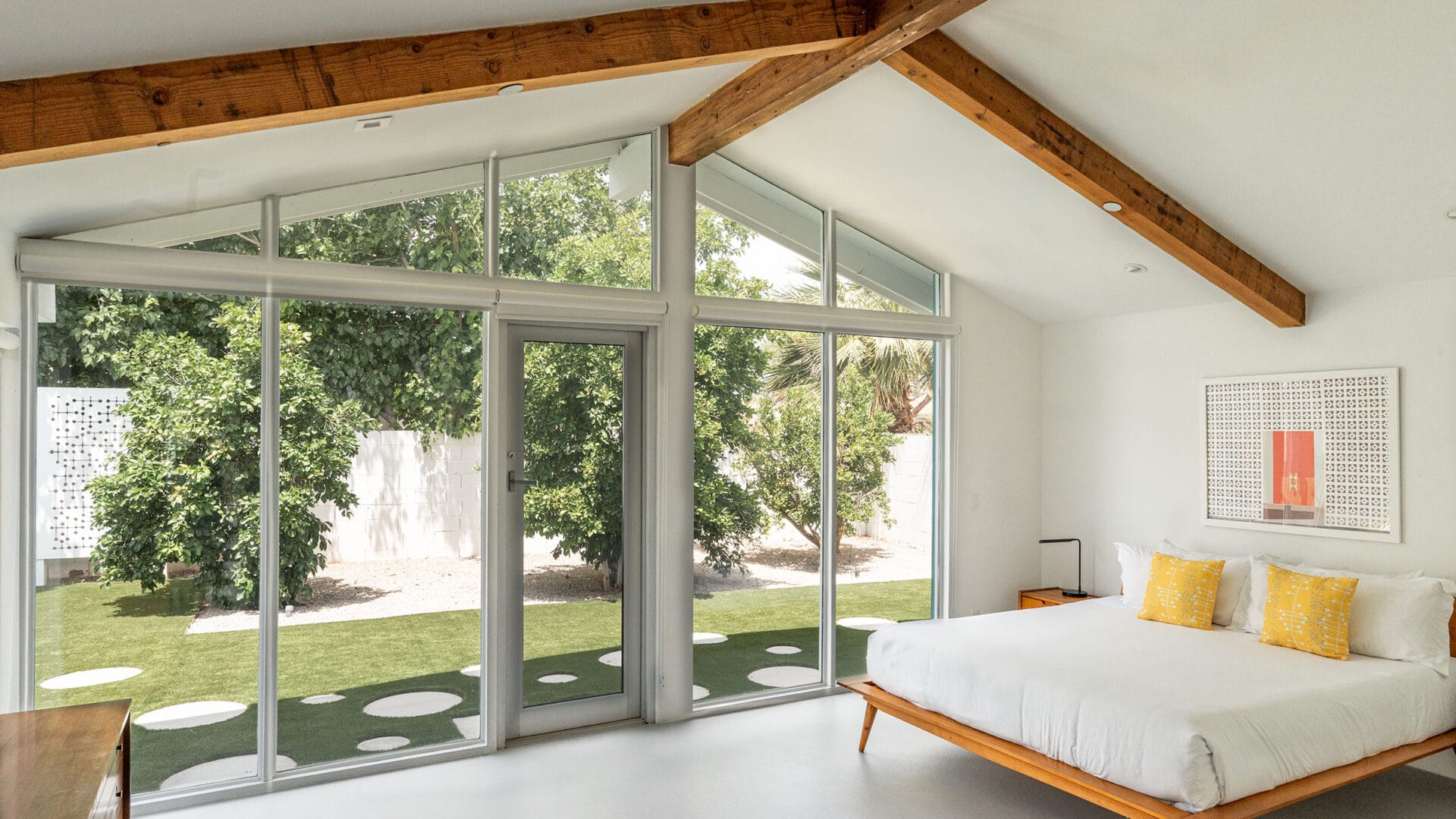
If the home has original masonry, exposed beams, breeze block, clerestory windows, a patio-port, a fireplace, a wood ceiling, a vintage oven, terrazzo, or original cabinetry, make sure those elements are visible and presented well.
Do not hide architectural details behind oversized furniture, heavy window coverings, clutter, or poor lighting.
Buyers should feel the design as soon as they enter the home.
Edit the space
Mid-century modern homes reward restraint.
Clear the counters. Remove excess furniture. Thin out shelves. Clean up surfaces. Let the rooms breathe. The goal is not to make the home feel empty, but to make the architecture easier to understand.
Too much stuff makes rooms feel smaller.
It also distracts from the design.
A cleaner, more edited space helps buyers notice the light, layout, windows, and connection to the outdoors.
Let in the light
Natural light is one of the strongest selling points of a mid-century modern home.
Clean every window. Open the blinds. Remove heavy drapes if they are blocking important glass. Replace burnt-out bulbs. Use warm, consistent lighting throughout the house.
If the home has clerestory windows, large sliders, or glass walls, make sure they are doing their job.
Light sells the architecture.
Make the indoor-outdoor connection obvious
Mid-century homes were designed around patios, courtyards, pools, yards, and outdoor living.
Before showings, clean the patio, pool area, carport, courtyard, and landscape. Remove clutter, hoses, tools, pool toys, old furniture, and anything that makes the exterior feel neglected.
Buyers should be able to imagine the outdoor space as part of the home.
That connection is one of the biggest emotional drivers of the sale.
Clean up the curb appeal
The first impression matters.
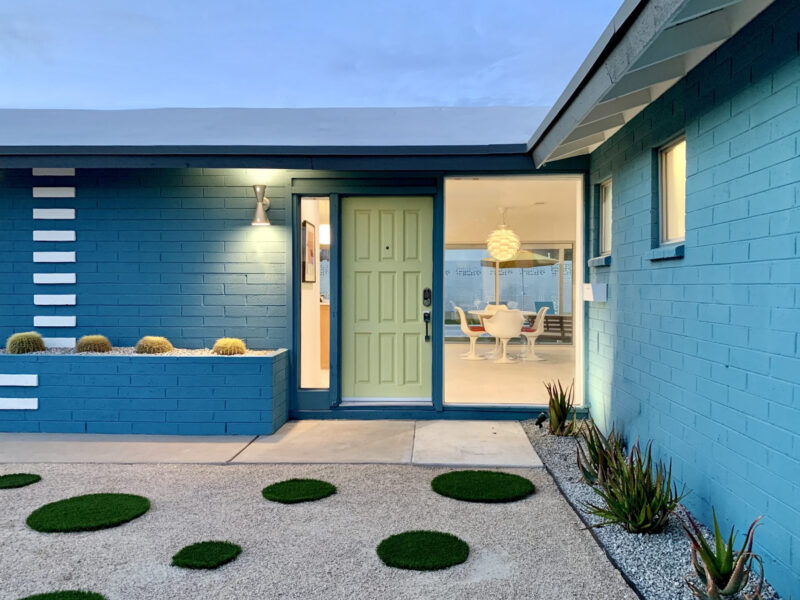
Trim trees and plants. Clean the entry. Sweep the carport. Remove dead plants. Touch up paint where needed. Make sure the front door, house numbers, exterior lights, and landscape feel intentional.
A mid-century home does not need to look overdone.
It needs to look cared for.
The best curb appeal is clean, architectural, and simple.
Know the condition of the major systems
Buyers will want to understand the practical side of the home.
Before listing, gather information on the roof, HVAC, electrical panel, plumbing, sewer line, water heater, windows, pool equipment, and any major renovations or repairs.
If something needs service, address it before showings when possible.
A well-presented home with clear information gives buyers confidence.
Make smart repairs
Small problems can create the wrong impression.
Fix dripping faucets, loose handles, squeaky doors, damaged screens, cracked switch plates, missing trim, broken lights, and obvious wall damage. These items may seem minor, but buyers notice them.
The goal is not to renovate the home before selling.
The goal is to remove distractions that make the home feel poorly maintained.
Use paint carefully
Fresh paint can help, but color matters.
Inside, clean warm neutrals usually work best. They allow the architecture, furniture, art, and natural light to carry the room. Outside, mid-century homes can often handle more personality, especially with doors, block walls, trim, or accent areas.
Avoid muddy beige and generic gray whenever possible.
A mid-century home should feel fresh, not flattened.
Stage with the right pieces
If the home is vacant, staging is often worth it, especially at higher price points.
But the staging needs to match the architecture. Generic furniture can weaken a mid-century home. Use pieces with clean lines, warm wood, proper scale, sculptural lighting, and enough restraint to let the house lead.
The goal is not to create a museum.
The goal is to help buyers understand how the home lives.
Remove distractions before showings
Before every showing, make sure the home is clean, cool, bright, and quiet.
Remove valuables, medication, pet items, laundry, dishes, personal clutter, and anything that pulls attention away from the home itself. If possible, owners and pets should be gone during the showing.
Buyers need space to experience the home without feeling watched or rushed.
The bottom line
Preparing a mid-century modern home for showings takes more than basic cleaning.
It takes an understanding of what buyers are really responding to: architecture, light, condition, character, and lifestyle.
When the home is edited, clean, bright, and presented with the right point of view, buyers can see what makes it valuable.
That is where better presentation becomes better strategy.