Mid-century modern style works best when it feels effortless.
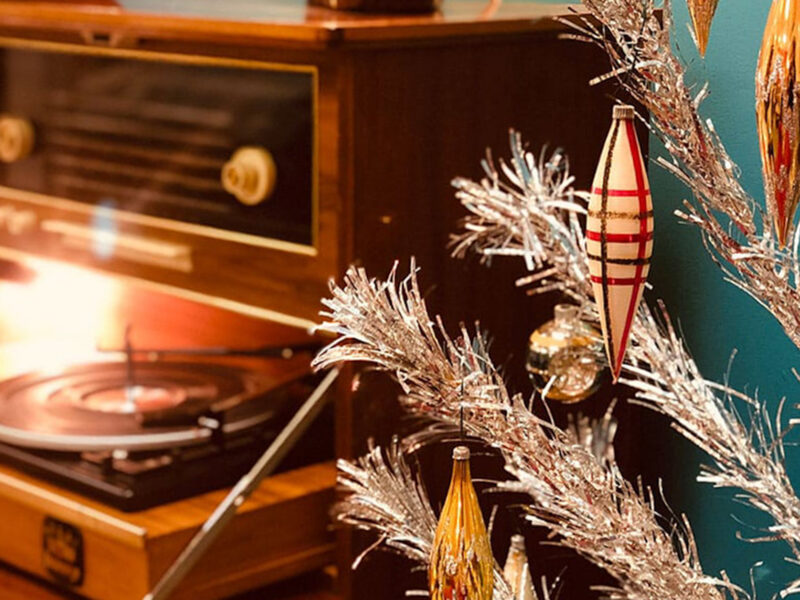
The mistake is treating it like a costume. A starburst clock, a bar cart, a record player, and a few atomic patterns do not automatically make a room feel mid-century modern. Used without restraint, those pieces can make a home feel staged, themed, or stuck in the past.
The goal is not to recreate 1962.
The goal is to bring the best parts of the era forward: clean lines, better light, honest materials, warmer textures, indoor-outdoor living, and design with purpose.
Start with the architecture
Before buying furniture or accessories, look at the room itself.
What is the light doing? How does the space connect to the outdoors? Are the windows important? Is there original masonry, wood, terrazzo, tile, or cabinetry worth highlighting? Does the room need more openness, less clutter, or better proportion?
Mid-century style works best when the architecture leads.
If the space has good bones, do not bury them. If it does not, use simple design moves to create more clarity: cleaner lines, better lighting, fewer finishes, and a stronger connection between the room and the way it is used.
Choose furniture with shape and restraint
Mid-century furniture is known for clean lines, tapered legs, warm wood, sculptural forms, and efficient scale.
You do not need every piece in the room to be vintage. In fact, that can feel forced. A few strong pieces are usually better than filling the room with replicas.
Look for furniture that has good proportion, useful function, and a clear silhouette. A credenza, lounge chair, dining table, or sofa can bring the right feeling without turning the room into a showroom.
The best pieces support the architecture instead of competing with it.
Use lighting as architecture
Lighting is one of the easiest ways to bring mid-century character into a home.
Globe pendants, cone sconces, saucer fixtures, floor lamps, and simple brass, chrome, or black details can add warmth and structure. But the fixture should still make sense for the room.
Do not choose lighting just because it looks retro.
Choose it because it improves the space, supports the ceiling height, works with the furniture, and helps define the mood of the room.
Keep the palette controlled
Mid-century modern color can be playful, but it should be controlled.
Turquoise, olive, mustard, rust, coral, ochre, soft pink, walnut, cream, black, and warm white can all work beautifully. The key is using color with intention.
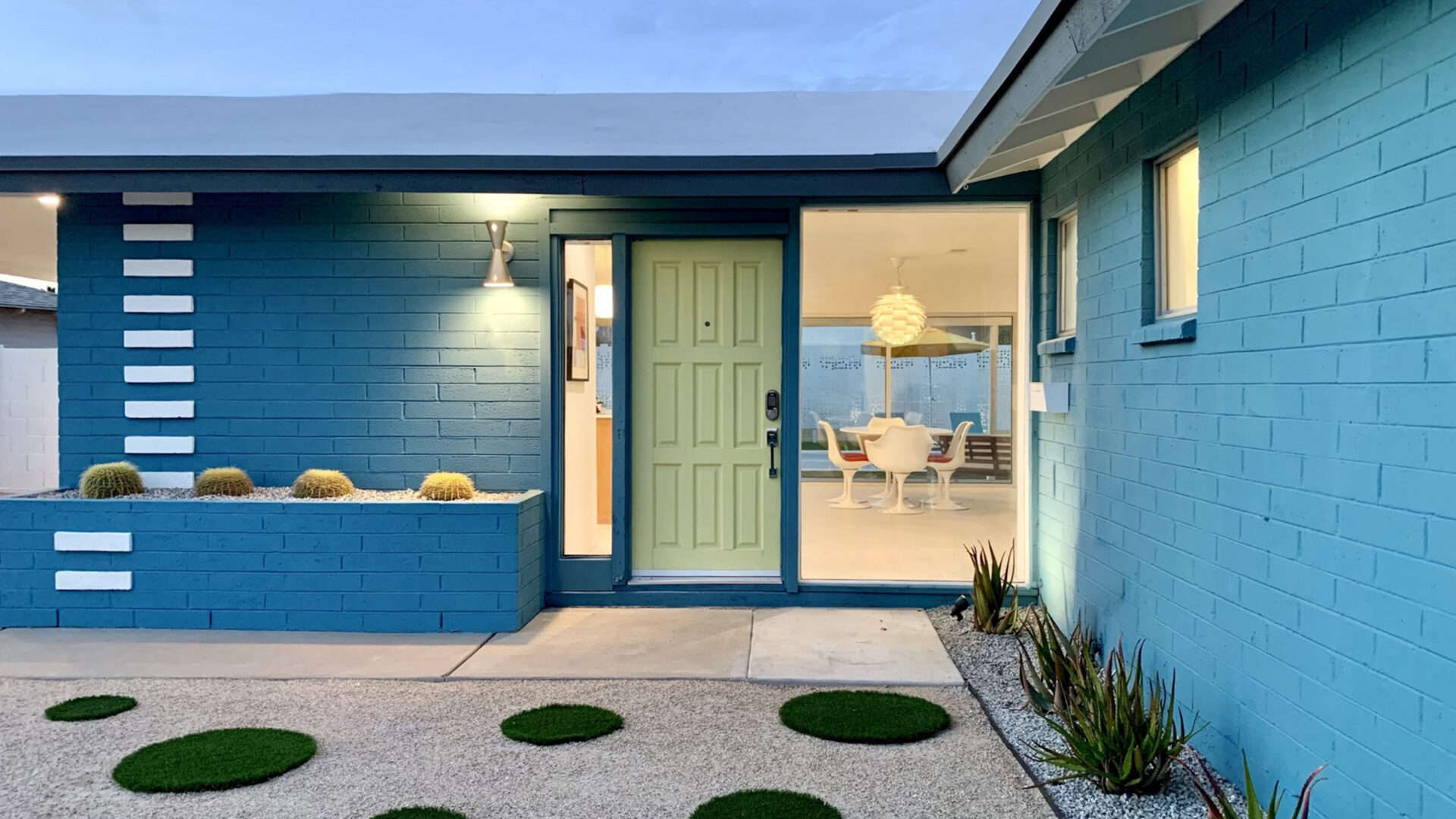
A colorful front door, a piece of art, a tile choice, a chair, or a fabric accent can be enough. You do not need every room to announce itself.
The strongest mid-century homes often use color as a rhythm, not a gimmick.
Mix materials carefully
Mid-century design works because of contrast.
Wood with glass. Block with fabric. Brass with plaster. Terrazzo with warm cabinetry. Leather with steel. Tile with stone. Organic forms against clean geometry.
The mix matters.
Too many materials can make a room feel busy. Too few can make it feel flat. The right balance gives the space warmth, texture, and depth.
Avoid the theme-house trap
This is where many people go wrong.
Too many atomic patterns, too many novelty accessories, too much orange, too many reproduction pieces, and too much “retro” styling can make the home feel less sophisticated.
Mid-century modern design was forward-looking. It was not kitsch.
The best version feels clean, warm, livable, and current. It respects the era without performing it.
Bring the outdoors into the composition
Plants, patios, courtyards, pools, and landscape all matter.
A mid-century room often feels better when it has a strong connection to the outside. That can come through glass, a framed view, desert planting, a covered patio, a breeze block wall, or simply a room arranged to take advantage of light.
Plants can help, but they are not the whole idea.
The real point is connection: interior, exterior, light, and landscape working together.
Edit harder than you decorate
The easiest way to make a home feel more mid-century modern is often to remove what does not belong.
Clear the clutter. Simplify the finishes. Let the furniture breathe. Use fewer, better pieces. Give the architecture more room to show.
Mid-century design rewards restraint.
That does not mean the home should feel empty. It means every piece should earn its place.
The bottom line
Adding mid-century modern style is not about collecting all the right objects.
It is about creating a home with clarity, warmth, proportion, and purpose. Start with the architecture. Choose pieces with restraint. Use color and materials carefully. Avoid the theme.
When it is done well, the result does not feel retro.
It feels timeless.