The mid-century modern movement was never just a style.
It was an attitude about the future. After World War II, architecture, furniture, interiors, cars, advertising, and product design all began to reflect a new kind of optimism. Life could be simpler. Homes could be smarter. Design could be useful, beautiful, and available to more people.
That belief changed the way America lived.
A new way of thinking about home
Mid-century modern design grew out of modernism, but it found its strongest expression in the postwar decades. Families were moving into new neighborhoods. Cities were expanding. Materials and construction methods were changing. Architects and designers were looking for a cleaner, more honest way to build.
The result was a new kind of home.
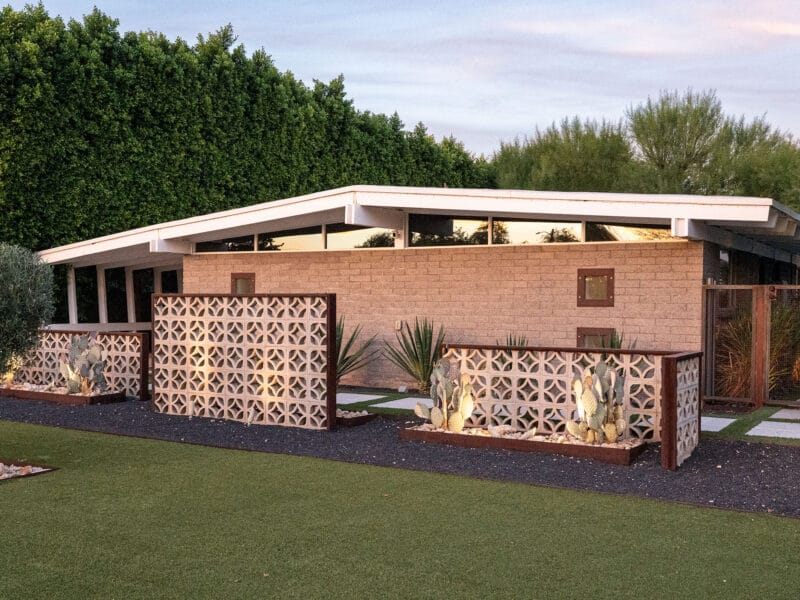
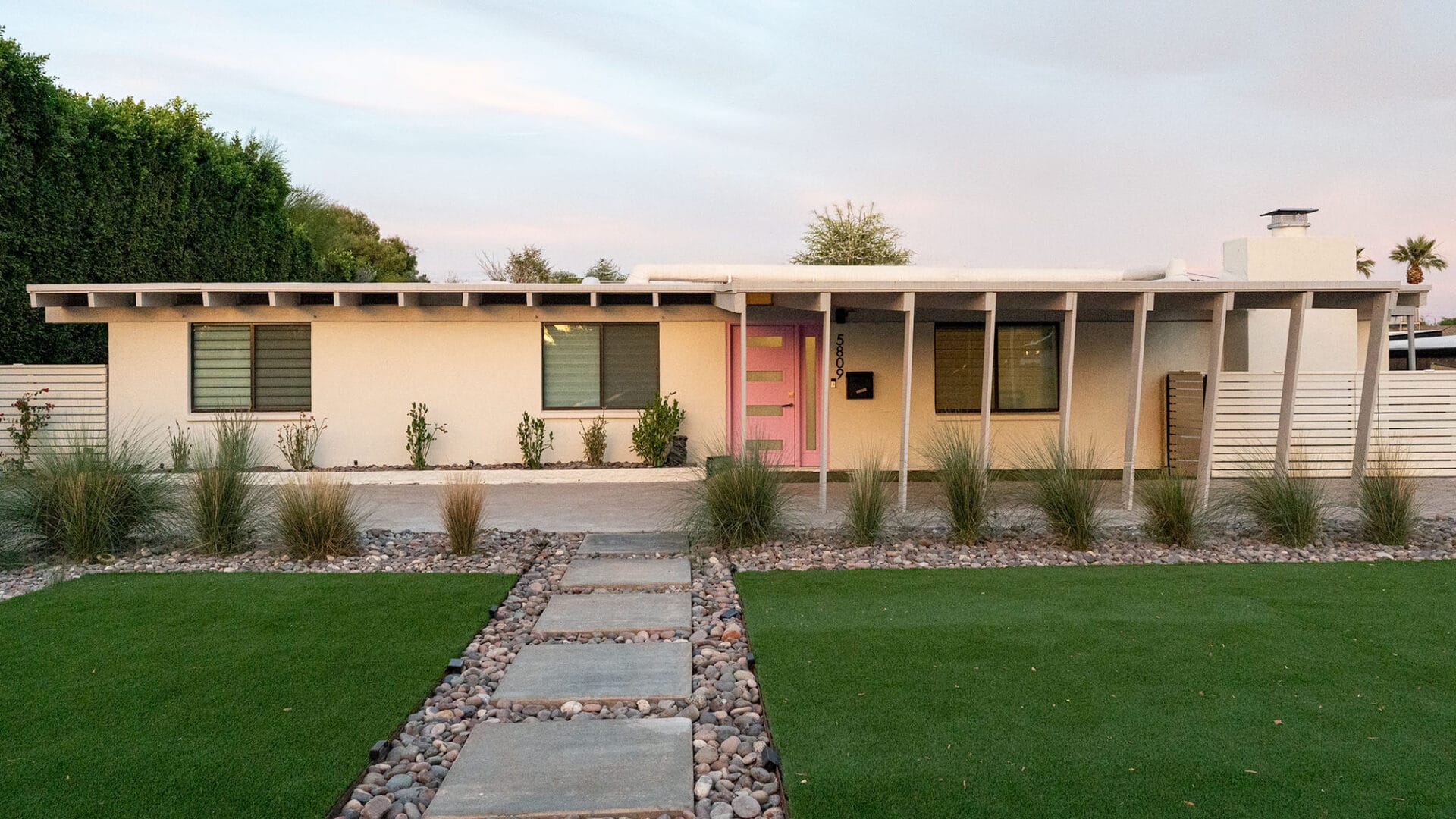
Low rooflines. Open plans. Large windows. Exposed beams. Clerestory glass. Carports. Patios. Pools. Breeze block. Simple materials. A stronger connection between indoors and out.
These homes were not trying to imitate the past. They were designed for modern life.
Form, function, and restraint
The best mid-century design works because it has discipline.
Every line, material, and proportion has a purpose. Ornament was reduced. Function mattered. Rooms were designed to feel open and livable. Furniture became lighter, cleaner, and more flexible. Materials like wood, steel, glass, concrete, plastic, laminate, and fiberglass opened up new possibilities.
But the movement was not cold or sterile.
At its best, mid-century modern design was warm, human, and optimistic. It balanced clean architecture with comfort, texture, color, and personality.
Why it fits Phoenix
Phoenix was a natural home for mid-century modernism.
The desert rewarded shade, orientation, indoor-outdoor living, and low horizontal forms. Architects and builders could respond to the climate with deep overhangs, patios, courtyards, masonry, glass, and landscape. The result was a version of modernism that felt casual, sunlit, and connected to the desert.
That is why so many mid-century homes in Phoenix still feel right today.
They were designed around light, climate, and the way people actually live here.
The movement was bigger than houses
Mid-century modernism shaped more than residential architecture.
It showed up in banks, schools, churches, offices, motels, restaurants, gas stations, furniture, signage, graphics, and advertising. Even everyday commercial buildings had ambition. A roofline could be memorable. A sign could become an icon. A chair could change the way a room felt.
Design was part of daily life.
That is one of the reasons the era still holds such power. It was not reserved only for museums or custom estates. It reached neighborhoods, families, workplaces, and public spaces.
Why it still matters
The mid-century modern movement still matters because the ideas are still good.
Better light. Better proportions. Better materials. Better use of space. Better connection to the outdoors. Less excess. More intention.
Those principles are not dated. They are needed.
In a world full of generic construction and trend-driven renovations, mid-century modernism reminds us that design can be clear, useful, beautiful, and built around a point of view.
The goal is not to recreate the past.
The goal is to carry forward the best part of the movement: the belief that good design can make everyday life better.